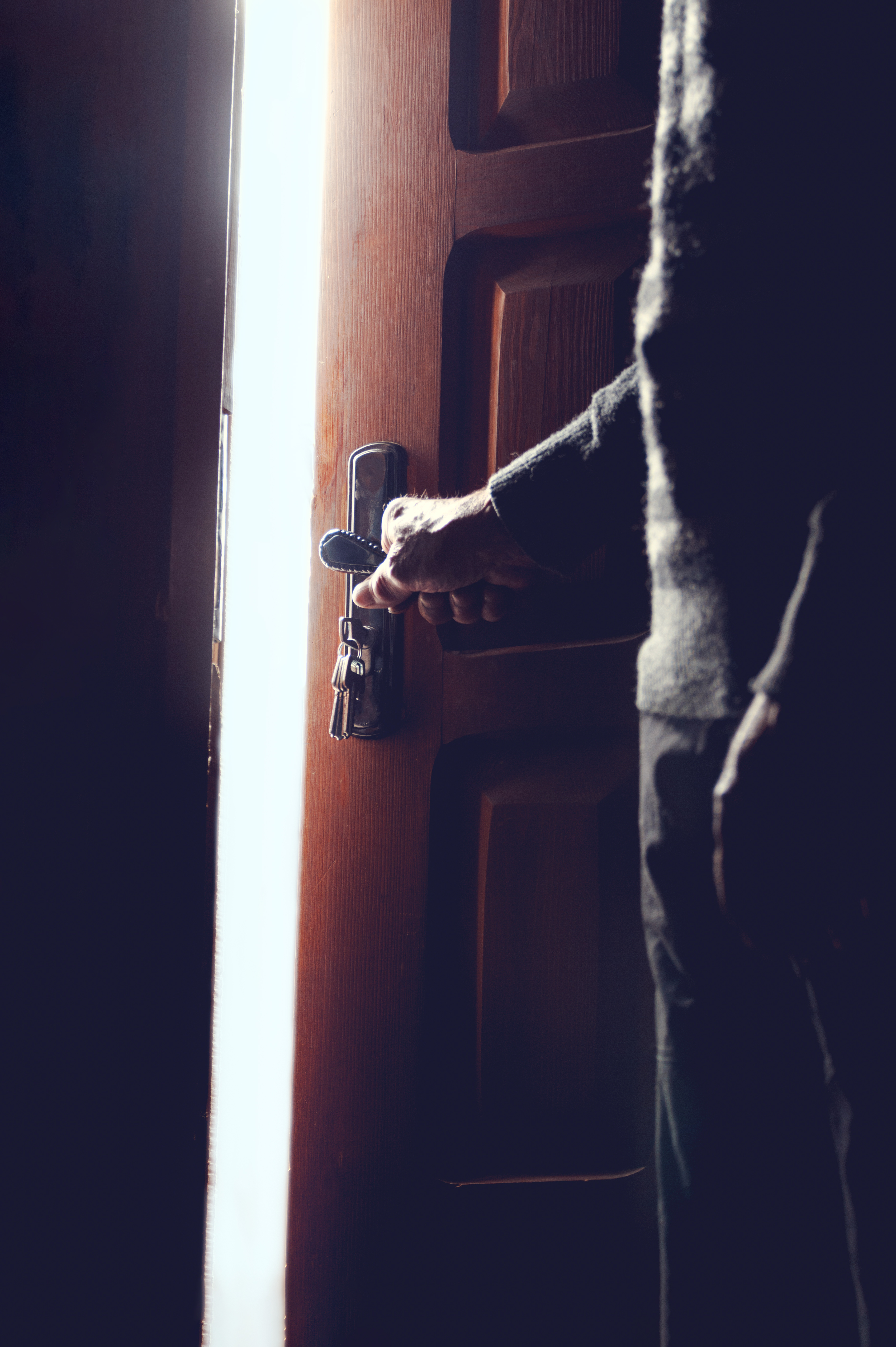
It was after my grandmother passed away. I realized it while wandering through the house, wrapped in memories as I packed up her belongings. The places of our childhood shrink as we grow up. The hallway I used to dash across from end to end took just a few strides now. The wooden side table with its marble base—around which I used to dance to songs on the radio—came up only to my knees; the living room that once felt boundless now seemed quite modest in scale.
The house was soaked in the unique scents, flavors, and sounds of my childhood. Toasted bread on the griddle at dawn, raw honey over slices of cheese, the oranges my grandfather peeled and offered in the evenings—getting scolded whenever he dripped juice on the carpet—the qanun he picked up and strummed when in good spirits, and my grandmother’s cheerful laughter echoing off the walls...
I remember. I used to hate cleaning days. I had no one to play with then. On those days, I would wait eagerly for the door at the end of the hallway to open. In truth, my uncle was retreating deeper and deeper into his own world. Looking back now, perhaps he was bridging the gap of his fading human connections with the songs playing in his room. It was as though he was trying to say something. “Understand me,” İlhan İrem sang in his song, “just try to understand...” If only my childhood self had known what troubled him, I would have rushed to his rescue to win my playmate back, but I simply didn't know.
Whenever he left the house, hoping to catch a clue, I would find a way to slip into his room and start rifling through his drawers. The moment you opened the door, a dense haze of tobacco smoke hit your throat. Then you’d notice clusters of words scribbled on the walls in pencil... like pieces of a coded message or a riddle. And then, of course, the books would catch your eye... towers of books stacked on the floor when the shelves could no longer hold them. Most had been read, filled with marginalia; some were first editions, rare volumes... Yet holding the most privileged spot in the middle of that chaotic room was the Dual turntable. Resting against the wall beside the window, it sat atop its table like a queen firmly set upon her throne. Owning a Dual in those years was a true privilege.
Every now and then, my grandmother, my uncle, and I—the little grandchild—would go out together. Sometimes to stroll along the Fenerbahçe seaside, sometimes to pick up pastries from Pelit and head straight to my aunt's house for afternoon tea. My uncle still drove in those years, despite everyone’s warnings. I had overheard the adults whispering; they called it schizophrenia. Even though I didn't understand what the word meant, I felt a deep sorrow because they hurt him at the hospital—and most of all, because they had made my playmate retreat into himself. Only much later would I learn that he was subjected to electroshock therapy during that period, and that it had backfired terribly. Returning from the hospital, he grew increasingly distant. He would complain that the medication worsened the tremor in his hands. I witnessed him arguing countless times: “Those meds make me dazed, Mom, I won't take them.” At one point, suspecting they were lacing his food with pills, he refused to eat altogether.
Clearing out the home of a loved one after they are gone is an exhausting task, both physically and emotionally. It is a place of final farewell to memories that weigh heavily on you without your realizing—memories too heavy to carry, yet impossible to discard. Rummaging through the drawers, I stumbled upon a Polaroid just like that. My grandmother and grandfather were still in their thirties, looking at each other with such quiet passion. The love of a couple who had once wished upon shooting stars to be together forever had grown sour and bitter over time, like improperly preserved wine, against everything fate brought their way. Their sole motivation to prolong their own lives by even a single day was to ensure their son would never be left to the mercy of strangers. Theirs was a life totally dedicated to their son.
And yet, with what immense pride my grandfather had announced the news of a son born after two daughters to all of Çengelköy. My grandmother had insisted on a home birth with a midwife, simply so he wouldn't be swapped at the hospital or struck by the evil eye. When friends told her, “Oh come on, boy or girl, what difference does it make as long as the child is healthy?” she would reply, “Let it be a boy, no matter what.” Was what befell her because she had spoken so boldly back then? If it were up to her, if only we could find my uncle a good, decent girl, he would recover. The whole solution lay in finding that prospective bride. That was why, throughout her life, she never stopped preparing a dowry for her son. If there is such a thing as the sorrow of inanimate objects, I could show you appliances that grew old waiting to be used, household items gathering dust inside their unopened boxes. Still, they never uttered a word about his illness to the outside world. There were two granddaughters in the family waiting their turn to marry. It must not be known.
For many years, my uncle never emerged from the room he had locked himself into. He was hurt, upset with us for some unknown reason. Seasons changed. Feast days came and went. I grew up... When I came to visit with my own children, they asked me who lived in that room. I instructed them never to tamper with that locked door.
The first time I saw my uncle again after all those years was at the care home, the day after we laid my grandmother to rest. My playmate was no longer there. That mischievous spark in his eyes had gone out. We talked about small news items that caught my eye in the newspaper left in his room—just light, idle talk... He addressed me by name. But had he truly recognized me? Or was I merely one of many random faces passing through the labyrinths of his mind? I could never tell.
Schizophrenia is a lifelong condition that alters how a person perceives reality, yet with proper care and timely intervention, it can be managed. With the right support, individuals living with schizophrenia can lead fulfilling, productive lives alongside their families and communities, rather than behind the walls of psychiatric institutions. Yet, the stigma and fear of exclusion often stand as the greatest barriers to seeking help. On May 25th, World Schizophrenia Awareness Day, I share this in the hope of fostering empathy, breaking down long-standing prejudices, and advocating for better living conditions for those fighting this battle and the families who walk beside them...
Years later, my dear uncle, I have finally brought you out of that room where you were hidden.