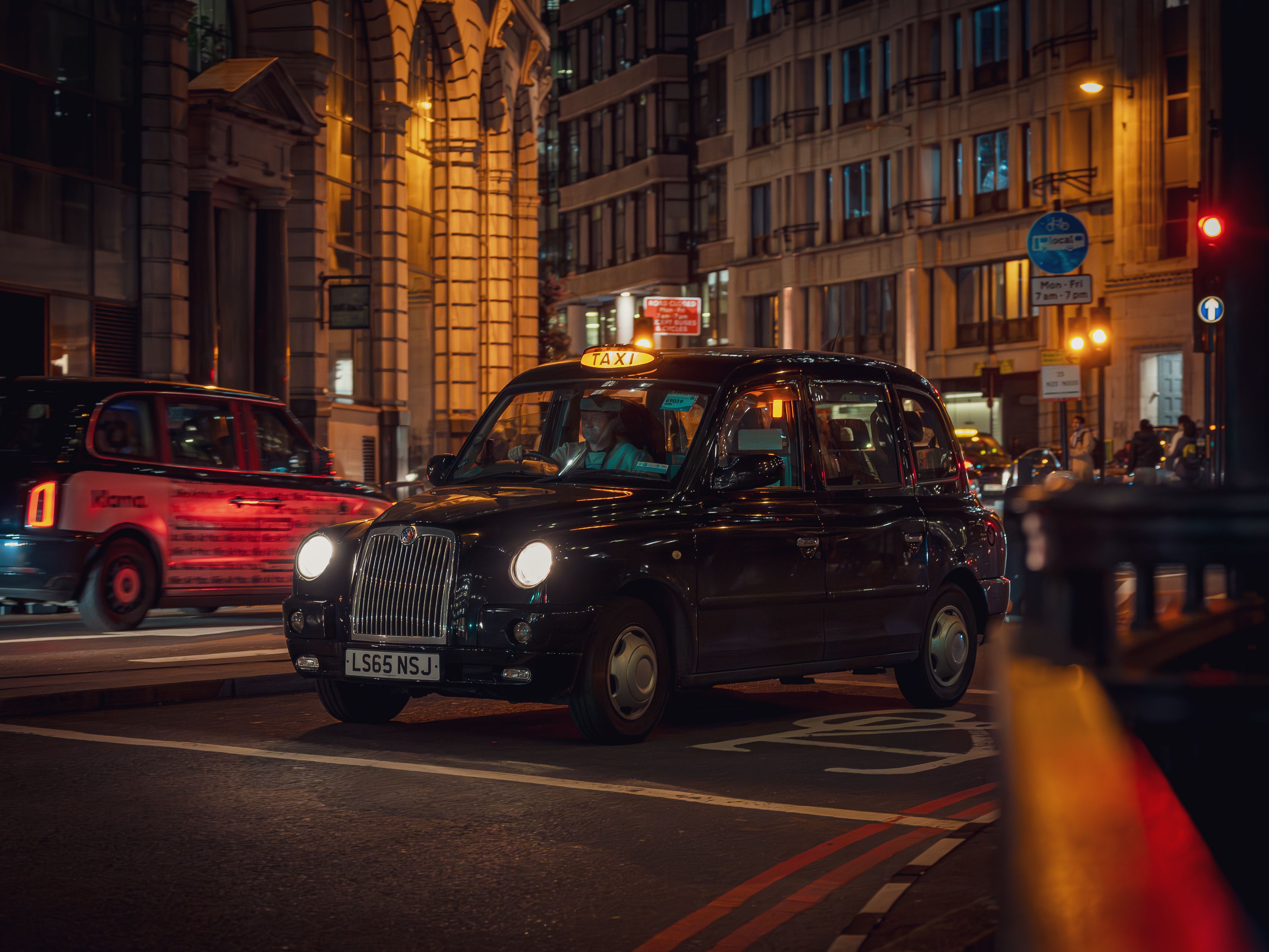
London’s black cabs are just as iconic as its red telephone boxes—an unmistakable cultural symbol of the city. It was only after I moved here that I learned drivers must undergo a grueling three-year training process. It takes far more than just knowing the highway code; they literally have to master The Knowledge—memorizing every street, landmark, and turn across London.
Today, between strict EV mandates aiming for lower emissions and ride-hailing apps like Uber and Bolt—which rely on GPS rather than deep navigational expertise—there is a growing debate over whether black cabs might disappear over the next twenty years. I truly hope that the British, with their love for tradition, step in here. Taking a black cab has always given me a profound sense of safety. And whenever I end up with a seasoned driver, I get to enjoy a wonderful conversation and learn something new about the local culture—just as I did the other day…
After giving my destination, I offered a few alternative shortcuts and vented a bit about the endless roadworks popping up the moment the weather turned nice. That immediately broke the ice. When he casually mentioned he’d been behind the wheel for 24 years, I couldn't help asking: “Imagine the stories you must have built up over all those years. Have you ever thought about writing them down?”
“Actually, I have,” he smiled, and began to tell his story:
“One night, around three in the morning, I got a call to pick up an elderly lady from her house. She could barely move, relying heavily on a walker. She told me the hospital had called, asking her to come in to see her husband, who was in critical condition. When we pulled up, the reception was pitch-black—there wasn't a soul in sight. After helping her out of the cab, I offered to walk her inside. She accepted. We searched through those quiet, desolate corridors until we finally tracked down a staff member. When we reached her husband’s floor, the nurse gently broke the news: he had passed away just five minutes earlier, but she could go in to say her final goodbye. The poor woman was utterly devastated. I couldn't bring myself to just walk away and leave her there. So I waited. When she finally came out, I offered to drive her home.
On the way back, I asked if there was any family member she’d like me to call. She told me she had no one—she and her husband had met in an orphanage and never had children of their own. ‘I have a friend,’ she said quietly, ‘but I wouldn't want to disturb them at this hour.’ When we reached her doorstep, I asked if she’d like me to come up and make her a cup of tea. With a smile woven of grief and gratitude, she accepted. Over tea, she told me how they met, got married, and shared a beautiful life together. Afterward, I said goodbye and left. And of course, I didn't charge her a single penny.”
“Now, that’s one story I’ll never forget,” he said. “Though I’ve got plenty of funny ones, too. Whole heaps of them! If you were writing them, would you pick the funny ones or the sad ones?” I told him it would probably depend on my mood on the day I sat down to write, but honestly, I wouldn't separate them. After all, life is bittersweet, isn’t it?
That driver’s story quietly renewed my faith in the goodness of people. As I stepped out into the London night, I bade him farewell: “Drive safe, and take care of that good heart of yours!”