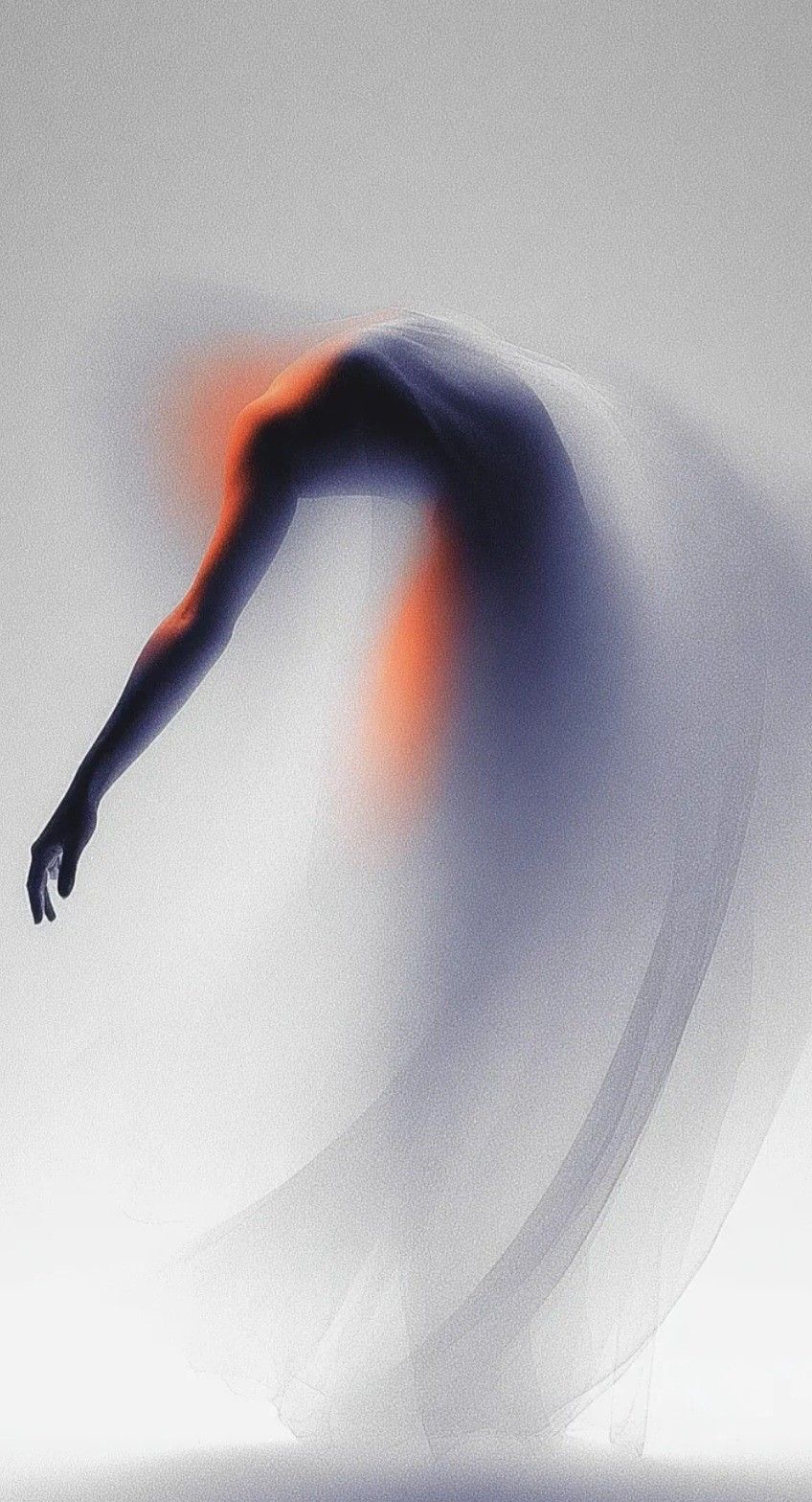
A few years ago, a reader left a comment on one of my articles that read: “Writing is like stripping bare. It takes courage.” Coming from a fellow writer, the compliment flattered my ego, yet I didn’t pause to ponder its deeper meaning—not until the moment I found myself actively running away from writing.
The Silence of the Pen
No, this wasn't a simple case of writer's block or a lack of inspiration. Writing, if you approach the page with true sincerity, demands that you share yourself. You might manipulate the reader for a little while, but at some point, you inevitably give yourself away. Passing through a gloomy period where my faith in people was tested, I realized I was no longer as eager to open my heart as I once was. Relocating to a new country, navigating environmental and career changes, shouldering the responsibilities of parenthood, and grappling with the physical and emotional shifts that come with reaching a new milestone in age—it was all overwhelming. I had accumulated a mountain of stories to tell, but before sharing what I had lived with others, I needed to digest and make sense of it within myself.
Boundaries, and "Rhythm 0"
In this turbulent period of withdrawal, both a sense of quiet resentment and a fear of being bruised played a part. The lines spoken by the character played by the late Erdal Tosun in Bir Demet Tiyatro kept echoing in my ears. “For a while I spoke too much; it did me no good. So I stopped,” he had said. Setting aside the despair of asking what writing or speaking out would ever change anyway, I was simply exhausted by the harassment of those who abuse the accessibility and anonymity of social media platforms. Do you know Marina Abramović's famous performance piece, Rhythm 0? It stands as the most striking example of how complete strangers, with zero regard for boundaries, can hurt you.
During her six-hour performance in Naples in 1974, Abramović placed herself as a passive object, inviting the audience to use any of 72 items laid on a table—including nails, scissors, knives, a whip, and even a loaded gun—to do whatever they wished to her. What began calmly gradually devolved into a spectacle of violence, as people drew courage from the artist's silence. Abramović's performance—a social experiment of sorts—was crucial in demonstrating how suppressed violence escalates when granted impunity. Given the deepening social polarization and rising violent tendencies fueled by the anger of neglected masses around the world today, if Abramović were to stage the same performance now, the outcome would likely be far more catastrophic. But perhaps the ultimate lesson to draw from it was that, no matter what, one must never remain passive…
In Search of Expelling the Venom
That was the moment when my keyboard, which I had abandoned on my desk like a mere ornament, began calling me back. Putting aside life’s everyday troubles, the national news and the state of a world seemingly bent on nose-diving provided more than enough material. Like many sensitive souls, my inevitable morning ritual was to be drenched in the relentless torrent of information the second I opened my eyes, only to scramble for ways to soothe my frayed nerves. Believe me, I tried almost everything self-help gurus preach: spending time in nature, cutting back on the news, breathing exercises, and yoga. Eventually, I realized that unless the Buddha himself descended to earth to meditate with me one-on-one, yoga wasn't going to bring me peace. Neither B vitamins nor Ashwagandha worked miracles. And the canned aphorisms of growth gurus constantly pushed by the algorithm drove me completely up the wall. I had to purge the venom inside me somehow—but how? The answer had been standing right in front of me all along, yet I had stubbornly refused to see it.
The Healing Power of Writing
Writing may seem like a one-sided act at first glance, but it isn't. Every piece of writing seeks and awaits its reader. Even locked diaries are written like time capsules, meant to be found when the time is right. Writing also possesses a deeply therapeutic quality. As you pour your inner world onto the page, you confront your truth and find relief. At the same time, writing bridges the author with kindred spirits, reminding readers that they are not alone. Knowing how the writer-reader interaction serves as a reciprocal journey of healing and transformation, and having expressed myself best through writing since childhood, I was bound to tear down the wall I had built sooner or later.
Remaining Human in a Digital Age
Beyond my own need for healing during this time, something else compelled me to write again: the desire to keep humanity visible and central through lived experiences, as we prepare for a world where our footprints grow increasingly faint. We may well be the very last generation who remembers what a world without smartphones looked like, who still takes joy in reading a book from cover to cover, who can converse around a table making eye contact without growing bored, and who managed to make friends without relying on an app.
Especially in an era where artificial intelligence thinks on our behalf, drafts our articles, crafts our projects, and imposes a pressure of perfection upon us, I find it more valuable than ever to bring the human being to the fore—with all their flaws, vulnerabilities, and strengths—and to build a bridge of communication through writer-reader connection. Looking at it through this lens, I feel I understand the comment left on my article all those years ago much better now. To strip bare in writing, to risk standing naked, is not merely an act of courage; it is a profound responsibility, and a defiant challenge.